Case study
Backpacking Light
Streamlining Masterclass Content Creation
Efficient workflows. Enhanced output. Empowered experts.
A scalable content-production system designed to help Backpacking Light expand its Masterclass program without increasing leadership bottlenecks or compromising instructional quality.
Building on an Established Education Platform
Backpacking Light has spent more than two decades helping hikers develop the knowledge and confidence to spend more time in wild places.
Its combination of expert instruction, long-form educational content, and an engaged membership community created a strong foundation for growth. The opportunity was to expand that value through additional Masterclass content without increasing the operational burden placed on leadership.
The Real Constraint
Backpacking Light did not have a shortage of expertise or subject matter.
The limitation was the production model surrounding that expertise.
Content development relied on multiple contractors, recurring leadership oversight, and loosely connected handoffs. Routine questions, incomplete briefs, inconsistent presentation structures, and unclear ownership created friction throughout the process.
The strategic problem became clear:
How could Backpacking Light increase educational output while preserving the judgment, credibility, and instructional quality that made the program valuable?
Reframing the Assignment
The answer was not to remove leadership or automate expertise.
It was to identify where expert judgment created the greatest value, then build enough structure around repeatable work for contributors to operate with greater independence.
We reframed the assignment from a content-volume problem into a creative-operations problem.
The goal was to create a system that could:
- Support subject-matter experts without forcing them to become production managers.
- Give contractors clearer expectations before work began.
- Protect visual and instructional consistency across courses.
- Reduce repeated explanation and corrective review.
- Create visibility across schedules, responsibilities, and deliverables.
A Connected Operating Model
The proposed model connected six practical tools into one shared production framework.
Content Creation SOP
The SOP defined how a Masterclass moved from initial concept through development, review, production, and final delivery.
It clarified responsibilities, handoffs, approval points, and quality expectations so contributors could understand both their individual role and the larger process.
Project Management Worksheet
The worksheet created a shared view of ownership, deadlines, dependencies, deliverables, and production status.
Rather than relying on fragmented updates, the team could see where each course stood and where attention was required.
Standardized Work Order
The work order improved contractor briefs by defining scope, requirements, references, timing, deliverables, and approval criteria before production began.
Clearer inputs helped prevent avoidable revisions later.
Designing for Consistency Without Sameness
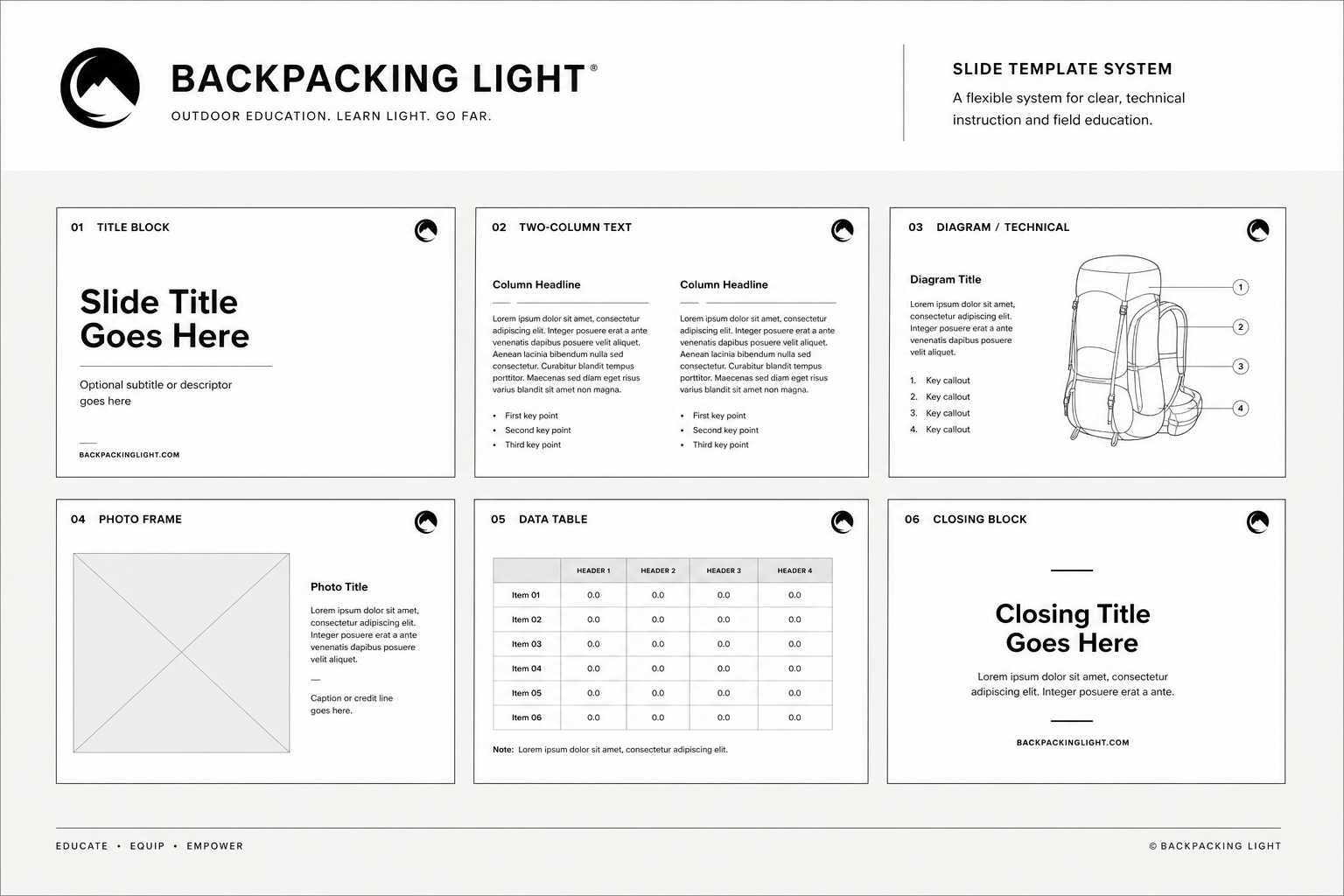
Slide Guidelines + Template Deck
A standardized deck gave instructors and production partners a shared visual and instructional framework.
The system addressed hierarchy, pacing, slide density, image use, technical explanation, and brand application while preserving room for each instructor's voice and teaching style.
The purpose was not to make every course look identical.
It was to make each course feel unmistakably part of the same educational platform.
Improving Technical Collaboration
Technical Illustrator Request Form
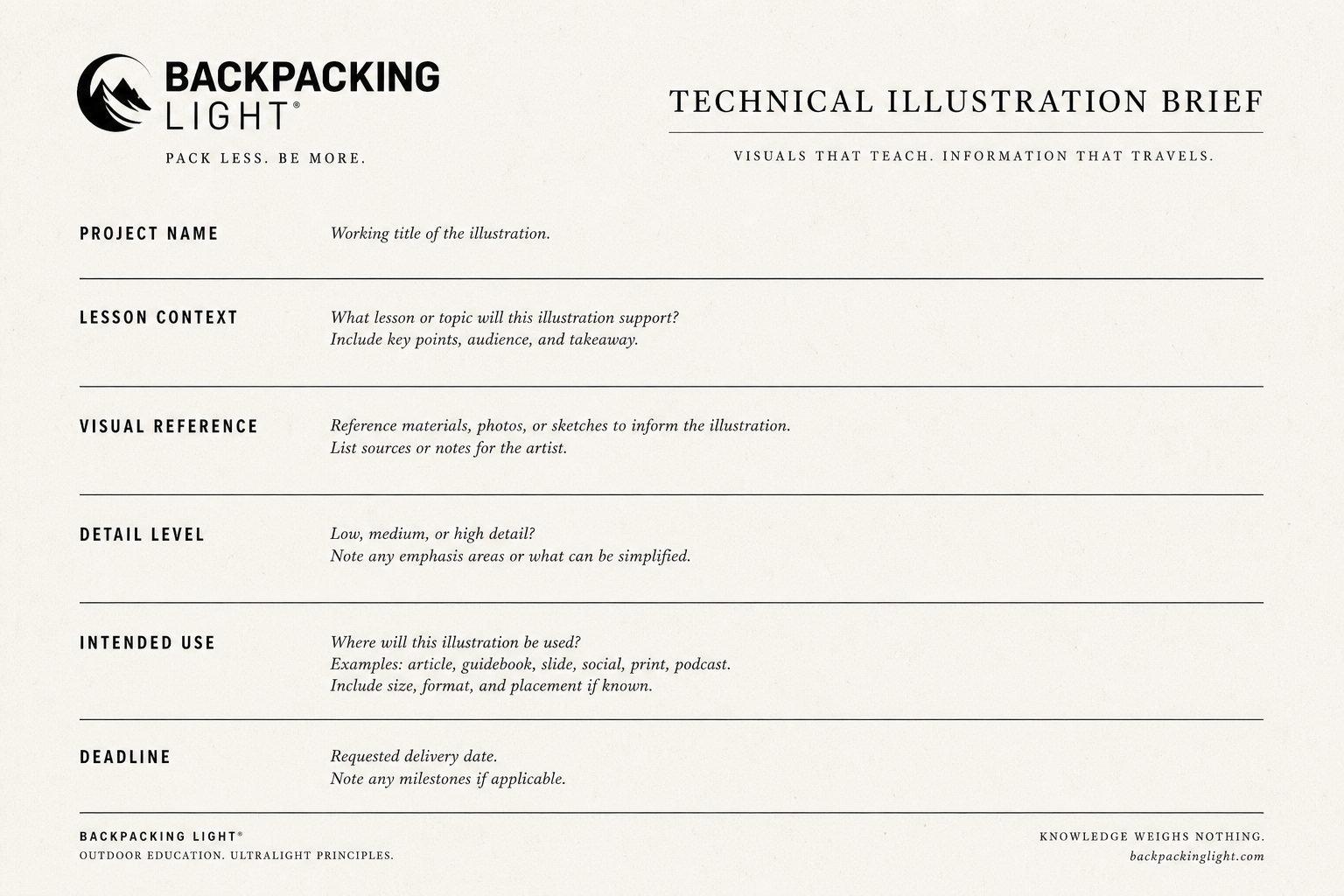
Technical illustration requests often become inefficient when the instructional objective, visual reference, required detail, and intended use are not defined at the beginning.
The new request form created a structured brief for technical visuals.
It captured the information illustrators needed to understand what the image had to communicate, where it would appear, and how it supported the lesson.
The result was a more productive starting point for both the instructor and illustrator.
Making the System Easier to Use
Help + Resources Tool
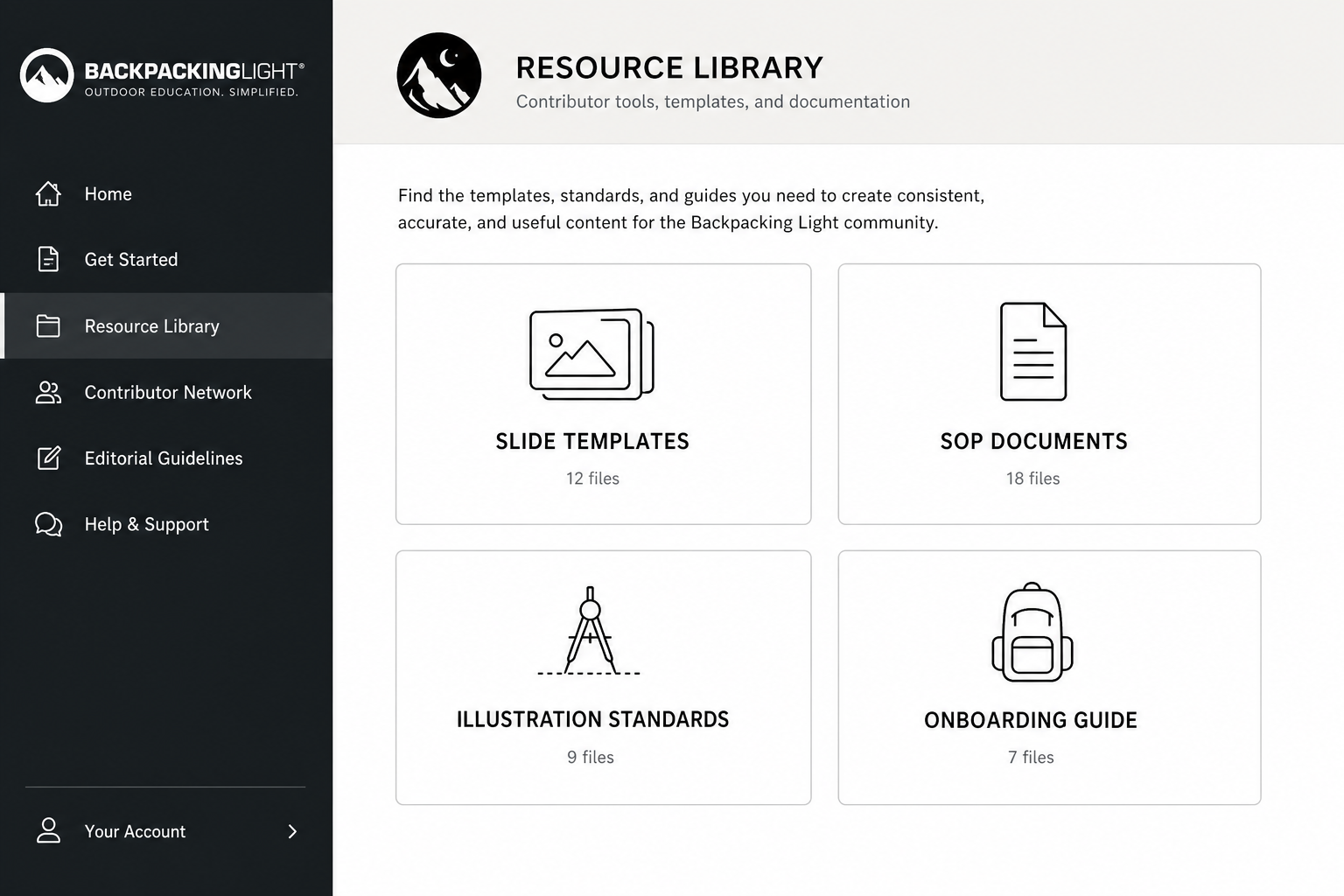
A process only scales when people can find the information they need without relying on repeated explanation.
The Help and Resources Tool centralized templates, instructions, examples, standards, and support materials in one accessible location.
This gave contributors a dependable starting point for routine questions and reduced unnecessary leadership involvement.
How the Pieces Worked Together
The value did not come from any single form, template, or worksheet.
It came from the way the tools reinforced one another.
The SOP defined the process.
The project-management worksheet made the process visible.
The standardized work order improved the quality of contractor inputs.
The presentation system protected visual and instructional consistency.
The illustration form improved specialized briefs.
The resource hub helped contributors work independently.
Together, they created a repeatable path from expert knowledge to finished educational content.
Projected Business Value
The proposed system created a credible path to increasing output while improving the quality of the production process itself.
More capacity was only one benefit.
The larger value was a shift from reactive coordination to a documented model that could support additional instructors, contractors, and courses without multiplying confusion.
The projections represented the potential impact of the model, not guaranteed realized results.
Supporting the Recommendation
Process documentation and well-designed operating procedures can improve productivity by reducing ambiguity, clarifying responsibilities, and standardizing repeatable work.
That evidence supported the logic behind the recommendation, but the model was tailored specifically to Backpacking Light's combination of expert instruction, contractor collaboration, and creative production.
My Contribution
I helped shape the project from the initial business challenge through the final strategic recommendation.
This was not simply a presentation-design assignment.
It was the design of a creative operating system.
- Creative strategy
- Framing the operational challenge and translating it into a clear strategic narrative.
- System development
- Connecting the workflow, briefing, presentation, illustration, and resource tools into a unified model.
- Presentation design
- Establishing the visual language, slide architecture, pacing, hierarchy, and storytelling structure for the final recommendation.
- Content-system design
- Creating standards that supported consistency while preserving instructor expertise and flexibility.
- Creative operations
- Aligning contributors, review stages, production tools, and quality controls within a repeatable process.
Recognition
The project received a Category Award and the Viewer's Choice Award in the Wright Collegiate Challenge.
The recognition reflected both the practicality of the recommendation and the clarity with which the system was communicated.
The Broader Outcome
The final recommendation gave Backpacking Light a structured path for expanding its Masterclass program without treating leadership attention as an unlimited resource.
By translating expert knowledge into shared systems, the model enabled contributors to work with clearer expectations and greater independence.
It positioned Backpacking Light to scale educational output while protecting the qualities that made its content valuable in the first place:
Closing statement